Pink Chicken Font Review for Handmade Product Design
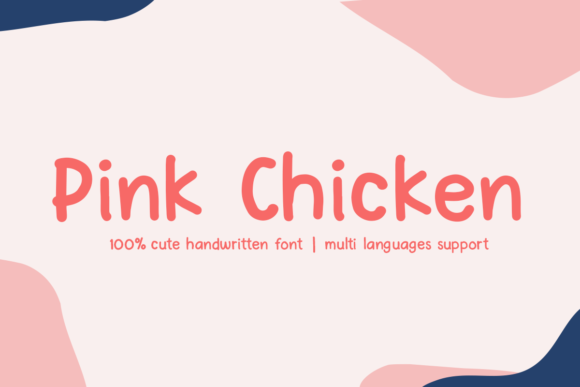
There is a specific moment in every product design session where you stare at a blank label template, knowing that the difference between a generic item and a cherished handmade good often comes down to typography. Last Tuesday, while finalizing packaging for a new line of soy candles, I found myself searching for a typeface that felt authentically personal rather than digitally manufactured. This search led me to test Pink Chicken, a sweet and friendly handwritten font that promised to bring warmth to my shop’s branding. As a maker who constantly balances aesthetic charm with production realities, I needed to see if this Script Handwritten style could actually survive the transition from screen to physical merchandise. After running it through multiple mockups and print tests, I can confidently say that its natural and unique style makes it incredibly fitting to a large pool of designs, provided you understand its best applications.
Pink Chicken for Candle Labels and Boutique Packaging
When evaluating Fonts for small business packaging, legibility at reduced sizes is just as critical as visual appeal, and Pink Chicken offers a distinct advantage for boutique branding. During my candle label test, I applied this font to a 2x3 inch matte vinyl sticker intended for an amber glass jar. The letterforms possess a bouncy, organic rhythm that mimics genuine marker or brush pen strokes, which immediately softened the industrial look of the safety warning text placed beneath it. Unlike rigid display fonts that can feel cold on artisan goods, Pink Chicken creates an emotional connection with the buyer before they even smell the product.
However, practical application requires some adjustments. While the font is beautiful, its natural flow means that kerning needs manual attention when used on curved surfaces or small circular tags. I found that increasing the tracking slightly helped maintain readability when printing at 8pt size for ingredient lists, though I would strongly advise against using this specific Script Handwritten typeface for dense regulatory text. Instead, let Pink Chicken shine as the hero element for the scent name or brand logo, pairing it with a clean, geometric sans serif for the technical details. This contrast not only ensures compliance and readability but also elevates the perceived value of the packaging by creating a professional editorial hierarchy.
Testing Pink Chicken on Wedding Invitations and Paper Goods
Stationery designers know that wedding markets demand a balance of elegance and approachability, making Pink Chicken a surprisingly versatile contender for modern nuptial suites. I tested this font on a digital invitation mockup for a garden-themed wedding, specifically for the couple’s names and the "Welcome" header. The sweet and friendly nature of the glyphs avoids the stuffy formality of traditional calligraphy while still feeling special enough for a milestone event. It reads beautifully on textured cardstock simulations, suggesting that it would translate exceptionally well to letterpress or thermography printing methods where tactile depth enhances the handwritten illusion.
For fellow printable creators and Etsy sellers, this font serves as an excellent asset for customizable templates. Because the style is unique without being overly eccentric, it appeals to a broad demographic of brides looking for something "different but safe." When designing editable Canva or Corjl templates, I recommend setting Pink Chicken as the primary display layer while locking secondary text fields in simpler Fonts to prevent customer editing errors. Its natural ligatures and connecting strokes render smoothly in most design software, but always test your specific platform’s rendering engine before listing a template for sale to ensure the connections remain fluid across different devices.
Pink Chicken for Cricut Vinyl Projects and Apparel Design
Crafters using cutting machines face the ultimate stress test for any Script Handwritten font: weedability. I loaded Pink Chicken into my cutting software to create a decal for a canvas tote bag and a name decal for a tumbler, specifically looking for thin spots or disconnected nodes that could cause production failures. The font holds up remarkably well for medium-to-large cuts, with stroke widths that are substantial enough to peel cleanly from the backing paper. The friendly, rounded terminals reduce the risk of sharp points lifting during application, which is a common frustration with more aggressive script styles.
That said, there are limitations for makers working with intricate designs. I would caution against using Pink Chicken for very tiny monograms or detailed SVG cuts under one inch in height. The natural texture that gives the font its charm can become a liability at microscopic scales, leading to jagged edges or lost details on glitter vinyl or flocked HTV. For shirt designs and tote bags, scale is your friend; let the font breathe at larger sizes where its personality can fully emerge. Always check the commercial licensing terms included with your download before selling physical merchandise, as understanding your rights is just as important as mastering the cut settings.
Using Pink Chicken in Digital Printables and Wall Art
The transition from physical crafts to digital downloads opens up endless possibilities, and Pink Chicken is particularly effective for creating high-margin printable wall art and planner accessories. When designing a set of nursery affirmation cards, I utilized the font’s playful yet gentle aesthetic to create focal points that felt hand-lettered rather than typed. The unique style makes it incredibly fitting to a large pool of designs in the children’s market, where parents seek decor that feels warm and nurturing. In digital formats, you have the luxury of scaling without weedability concerns, allowing you to use the font for everything from large title headers to smaller decorative quotes.
For social media graphics and Pinterest pins promoting these digital products, Pink Chicken acts as a powerful scroll-stopper. Its distinctive character shapes create instant brand recognition, helping your listings stand out in a sea of generic minimalist typography. When creating mockups for your shop listings, consider showcasing the font in context—on a framed print above a crib or inside a leather-bound planner—to help customers visualize the end result. Remember that while the only limit is your imagination, maintaining consistency in your shop’s visual identity is key; use Pink Chicken as a signature element across your digital ecosystem to build a cohesive and memorable brand presence.
Font Pairing Strategies and Commercial Licensing for Makers
No font exists in a vacuum, and mastering Pink Chicken involves understanding how it interacts with other typefaces in your design toolkit. As a premium display font, it demands a supporting cast that grounds its exuberance without competing for attention. My go-to pairing strategy involves combining it with a lightweight, uppercase sans serif for subheaders and a highly readable serif or mono-spaced font for body copy. This combination works exceptionally well for product photography watermarks, website banners, and thank-you cards included in shipments. The goal is to let the Script Handwritten elements provide the emotion while the structural Fonts handle the information delivery.
Before integrating Pink Chicken into your commercial workflow, take a moment to review the specific file formats and licensing agreements provided. Ensure you have access to OTF or TTF files for desktop design work, and verify if SVG versions are included for direct use in cutting software. Check for multilingual support if you serve international customers, as missing characters can break the immersive experience of a handwritten aesthetic. Most importantly, confirm whether your license covers physical product sales, digital template distribution, or both. Respecting intellectual property not only keeps your business compliant but also supports the type designers who create these essential tools for our creative communities. By treating typography selection with the same care as material sourcing, you elevate your craft from hobbyist to professional maker.